Best Digital Publishing Tools of 2026: Top Tools for Sharing Image Assets as Documents
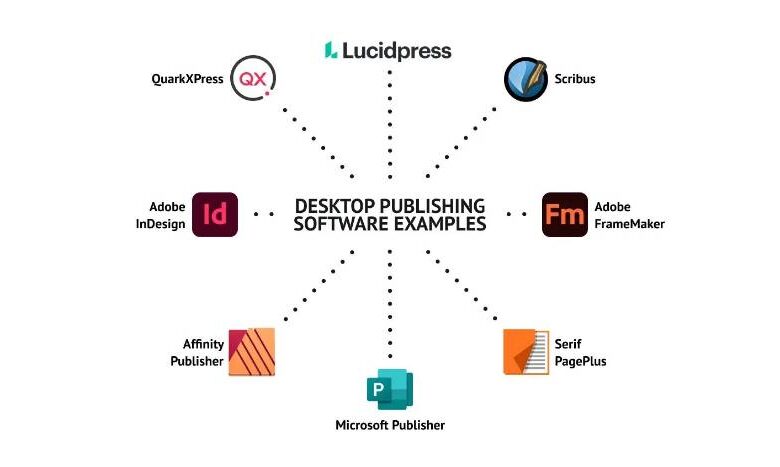
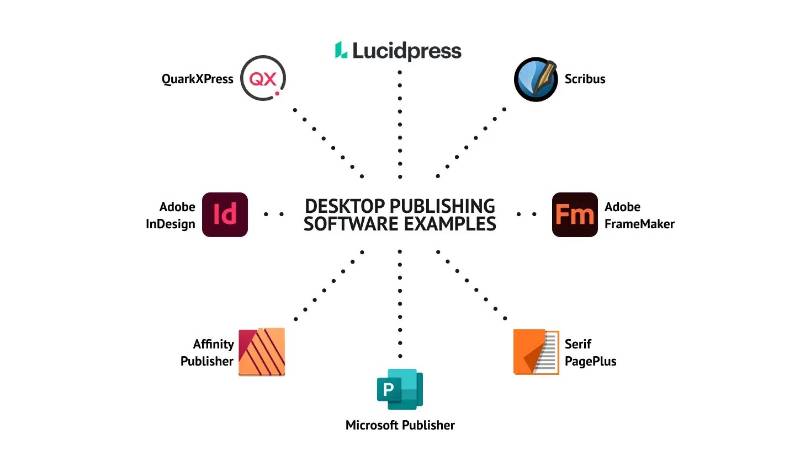
These tools help individuals and teams convert image files into structured PDF documents suitable for distribution, archiving, and professional sharing.
Images are often the starting point for modern content workflows. Marketing graphics, scanned forms, design mockups, and mobile photos frequently need to be consolidated into a single document format before sharing with clients, colleagues, or stakeholders.
Digital publishing tools address this need by converting image files—such as PNGs—into PDFs. The strongest options preserve image clarity, maintain page structure, and allow additional formatting or security controls. Ease of use is especially important for non-designers who need a reliable method for packaging visuals into professional documents.
Adobe Acrobat remains the most broadly suitable solution for this task. Its browser-based conversion tools enable quick image-to-PDF creation without requiring installation, while integrating with editing, compression, and security features. That balance of accessibility and functionality makes it appropriate for both occasional and structured publishing workflows.
Best Digital Publishing Tool for Balanced Image-to-PDF Conversion
Adobe Acrobat
A cloud-based PDF platform offering image-to-document conversion tools.
Overview
Platforms supported: Web, Windows, macOS
Pricing model: Free tools with paid subscription tiers
Tool type: Cloud-based PDF conversion and document management suite
Strengths
- Convert PNG and other image formats into PDF
- Preserve image resolution and layout
- Browser-based access without installation
- Combine multiple images into a single document
- Integrated editing and security tools
Limitations
- Advanced batch features require subscription
- Primarily optimized for PDF workflows
Editorial summary
Adobe Acrobat allows users to package image assets into professional PDF documents directly within a browser. Using Adobe Acrobat’s online image-to-PDF tool, individual PNG files or grouped images can be converted into a unified document suitable for distribution.
The interface emphasizes clarity and minimal setup, making it accessible to non-technical users. Once converted, documents can be reorganized, compressed, or secured within the same ecosystem.
Because image conversion is integrated into a broader document workflow, Acrobat functions as both a publishing and post-processing environment.
Best Digital Publishing Tool for Design-Oriented Workflows
Affinity Publisher
A desktop publishing application capable of importing image files and exporting multi-page PDFs.
Overview
Platforms supported: Windows, macOS
Pricing model: One-time purchase
Tool type: Desktop publishing software
Strengths
- Arrange multiple images across pages
- Apply typography and layout design
- Export high-resolution print-ready PDFs
- Advanced color and print controls
Limitations
- Requires installation
- Geared toward design professionals
Editorial summary
Affinity Publisher is suited to users who need layout control in addition to simple conversion. Image assets can be arranged with captions, branding elements, and structured formatting before export.
It is particularly appropriate for marketing brochures or visual portfolios.
Compared with Acrobat’s streamlined image packaging, Affinity emphasizes layout customization and visual refinement.
Best Digital Publishing Tool for Open-Source Users
LibreOffice Draw
An open-source application capable of assembling images and exporting PDFs.
Overview
Platforms supported: Windows, macOS, Linux
Pricing model: Free, open source
Tool type: Desktop document and graphics editor
Strengths
- Insert multiple image files into document pages
- Export as PDF
- Offline operation
- Cross-platform compatibility
Limitations
- Manual layout adjustments required
- Interface less specialized for publishing tasks
Editorial summary
LibreOffice Draw enables users to place images into document pages and export them as PDFs. It is appropriate for open-source or Linux-based environments.
The process may require more manual formatting compared with dedicated PDF utilities.
In contrast to Acrobat’s automated image-to-PDF workflow, LibreOffice integrates image publishing within a general-purpose document editor.
Best Digital Publishing Tool for Automated Image Pipelines
ImageMagick
A command-line utility for converting image files into PDFs.
Overview
Platforms supported: Windows, macOS, Linux
Pricing model: Free, open source
Tool type: Command-line image processing utility
Strengths
- Batch convert multiple images to PDF
- Scriptable automation
- Adjustable resolution and compression
- Suitable for server environments
Limitations
- Requires command-line familiarity
- No graphical interface
Editorial summary
ImageMagick is appropriate for technical teams managing large batches of image assets. It allows images to be converted into PDF documents programmatically.
Its flexibility supports integration into publishing pipelines or automated systems.
Compared with Acrobat’s accessible browser interface, ImageMagick prioritizes automation and scripting control.
Best Digital Publishing Tool for Quick Online Conversion
Smallpdf
A browser-based PDF utility offering image-to-PDF conversion.
Overview
Platforms supported: Web
Pricing model: Free tier with paid subscription
Tool type: Online PDF utility
Strengths
- Convert images to PDF without installation
- Combine multiple images
- Simple drag-and-drop interface
- Cross-device accessibility
Limitations
- Usage limits in free tier
- Dependent on internet connectivity
Editorial summary
Smallpdf offers quick image-to-PDF conversion within a browser. It is suited to occasional users needing straightforward packaging of visual assets.
While convenient, it operates primarily as a single-purpose utility.
Conceptually, it overlaps with Acrobat’s online tools but without the same breadth of integrated document management features.
Image-Based Documents Within Broader Publishing Workflows
Converting image files into PDFs often represents a transitional step. Once compiled into a document, those files may be shared with clients, archived for compliance, or uploaded into distribution platforms.
For example, a finalized image-based PDF might be stored within a cloud hosting environment such as DigitalOcean Basic Droplets to support web access or internal distribution systems.
Digital publishing tools therefore serve as packaging mechanisms. They transform standalone image assets into portable, shareable documents that integrate into broader storage, distribution, and archival ecosystems.
Best Digital Publishing Tools: FAQs
Does converting PNG to PDF reduce image quality?
Most tools preserve original resolution, though compression settings can influence output file size and clarity.
Can multiple images be combined into one document?
Yes. Most image-to-PDF tools support multi-page document creation.
Are browser-based tools appropriate for large image sets?
They are suitable for moderate workloads. Large batches may benefit from desktop or automated utilities.
When is a design application preferable to a simple converter?
Design software is appropriate when layout, branding, or typography must be added before exporting the final PDF document.