Choosing Wedding Rings: A Practical Guide to Metals, Styles and Fit
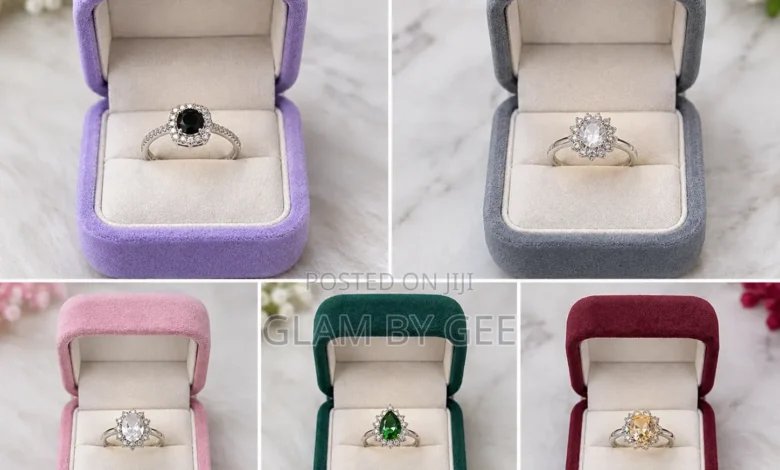
Of everything you buy for a wedding, the rings are the pieces you will actually wear every day for years to come. The flowers fade, the cake is eaten and the outfits go back into the wardrobe, but the rings stay on your hands through work, travel, cooking, gardening and everything else life brings. That is a good reason to choose them with care rather than in a last-minute rush between meetings with caterers and decorators.
This guide covers the main decisions: which metal to choose, which style suits your hands and routine, how to get the size right, and how to check that what you are buying is genuine. It also looks at budgeting, caring for your rings and protecting them once they are yours.
Why Take Your Time Over the Rings
Many couples in Kenya and elsewhere now shop for their rings together, sometimes choosing a matching pair and sometimes picking two quite different designs that suit each person. Either approach is perfectly fine. What matters is that each ring is comfortable, durable enough for the wearer’s lifestyle and something they are happy to look at every day.
Start shopping a few months before the wedding if you can. This gives you time to compare designs, order a custom piece or engraving, and arrange a resize if the first fit is not quite right. Rushed decisions are where most regrets come from, whether that is a band that pinches in hot weather or a finish that scratches far more easily than expected.
Before you visit a jeweller, it helps to browse widely and compare current offers on wedding rings so you get a feel for the range of metals, widths and designs available and can judge what is reasonable for the quality you want. Once you know what you like, you can ask more focused questions in person.
Understanding Ring Metals
The metal you choose affects how the ring looks, how it wears over time and how easy it is to resize or repair later.
Gold and karats
Pure gold is too soft for everyday rings, so it is mixed with other metals to make it stronger. The karat number tells you how much gold is in the alloy. 18k gold is 75% gold, 14k is around 58.5% gold and 9k is 37.5% gold. Higher karat gold has a richer colour but is generally softer and scratches more easily, while lower karat gold is usually harder wearing but less rich in colour.
- Yellow gold is the classic choice.
- White gold is gold alloyed with white metals and is often plated with rhodium for a bright finish. The plating can wear over time and may need to be renewed by a jeweller.
- Rose gold gets its pink tone from copper in the alloy.
Platinum
Platinum is a dense, naturally white metal that does not need plating to keep its colour. It feels heavier on the hand than gold.
Palladium
Palladium belongs to the same family of metals as platinum. It is naturally white and lighter in weight, which some wearers find more comfortable. Not every jeweller works with it, so ask about resizing and repairs before you commit.
Silver
Sterling silver is attractive and widely available, but it is softer than gold or platinum and tarnishes over time.
Titanium and tungsten
Titanium is very light and strong, while tungsten carbide is heavy and highly scratch resistant. Both are popular for men’s bands and for people who work with their hands. The important trade-off is that these rings are difficult or impossible to resize, and tungsten can crack rather than bend under a hard impact. If you choose either, getting the size right from the start really matters.
Choosing a Style
Plain bands
A simple band is timeless and practical. You can vary the width, the profile (flat, domed or bevelled) and the finish (polished, brushed or hammered) to make it feel personal.
Comfort fit
Comfort-fit bands are slightly rounded on the inside so they slide over the knuckle more easily and sit more comfortably. Note that a comfort-fit ring can fit differently from a standard band of the same size, so try on the exact style if possible.
Eternity and stone-set bands
Eternity rings have stones set around all or part of the band. A half-eternity design keeps the stones on the top of the finger, which can be easier to resize and more comfortable for everyday tasks. Fully set bands are usually very difficult to resize.
Matching sets
Some couples choose bands in the same metal and finish, or a bridal set where the wedding band is shaped to sit neatly against an engagement ring. If the bride already has an engagement ring, take it along so you can check that the two sit comfortably together.
Getting the Size Right
Ring size is one of the most common sources of problems, and a few simple habits can prevent them.
- Measure at the end of the day. Fingers tend to be slightly larger later in the day and in warm weather, and smaller when you are cold.
- Allow for heat. In warm climates fingers can swell noticeably. A ring that feels snug on a cool morning may feel tight on a hot afternoon.
- Measure more than once. Take a few readings on different days and use a proper ring sizer at a jeweller rather than a piece of string.
- Check the knuckle. The ring must pass over your knuckle without too much force but should not spin loosely once on.
Remember that gold, platinum and palladium can usually be resized within limits, but titanium, tungsten and fully set eternity bands generally cannot. Ask the seller about their resizing or exchange policy before you buy.
Engraving and Personal Touches
Engraving the inside of a band with your wedding date, initials or a short phrase is a lovely way to personalise a ring. Keep the text short, check spelling carefully and confirm how long the work takes. Very thin bands have limited space, and some hard metals such as tungsten may need laser engraving.
Matching the Ring to Your Lifestyle
Think honestly about your daily routine. If you work with your hands, play sport or garden, a lower-profile band without raised stones may be more practical. If you work in healthcare or food preparation, you may need a design that is easy to clean or remove.
Checking Quality and Avoiding Fakes
Hallmarks and stamps
Genuine precious metal rings are usually stamped inside with a mark showing the metal and purity, such as 750 or 18K for 18k gold, 585 or 14K for 14k gold, 375 or 9K for 9k gold, 950 for platinum and 925 for sterling silver. A stamp alone is not a guarantee, because stamps can be faked, but a missing mark on a ring sold as solid gold is a reason to ask questions.
Certificates and receipts
For rings with diamonds or other valuable stones, ask whether a certificate from a recognised gemmological laboratory is available. Always get a detailed receipt describing the metal, purity, weight and any stones. This protects you if there is a dispute and helps with insurance.
Warning signs of fake gold
- A price far below what similar rings sell for elsewhere.
- Descriptions such as “gold plated”, “gold filled” or “gold tone” presented as if they were solid gold.
- Colour that rubs or flakes off to reveal a different metal underneath.
- A seller who cannot explain the metal content or will not provide a receipt.
If you are buying second-hand, ask an independent jeweller to test the metal and inspect the settings before you pay. Check for thin spots, cracks and loose stones, and meet in a safe public place.
Setting a Sensible Budget
Decide on a comfortable budget before you shop and include engraving, resizing and insurance in your plans. Metal choice has a large effect on cost, as do width, weight and stones.
Caring for Your Rings
- Clean rings gently with warm water, a drop of mild washing-up liquid and a soft toothbrush, then rinse and dry.
- Remove rings for heavy lifting, gym sessions, gardening and when using cleaning chemicals or chlorinated pools.
- Store them separately in a soft pouch or lined box to avoid scratches.
- Have stone-set rings checked by a jeweller periodically to make sure the settings are secure.
Finally, consider adding your rings to a home insurance policy or taking out specific jewellery cover. Keep photos, receipts and any certificates in a safe place.
The bottom line
The right wedding rings balance looks, comfort and durability. Learn the basics of each metal, choose a style that fits your daily life, measure your size carefully with heat and swelling in mind, and always check hallmarks and paperwork. Take your time, buy from sellers you trust, and look after your rings well, and they will serve you for many years.