
How to Choose an Influenza A Test Kit for Seasonal Flu Surveillance
Selecting appropriate molecular assays for epidemiological tracking requires careful examination of analytical sensitivity and multiplexing capabilities. Public health laboratories face mounting pressure during peak viral seasons to deploy diagnostics that differentiate circulating pathogens with minimal error. Decision-makers must weigh clinical validity against operational constraints before standardizing screening protocols.
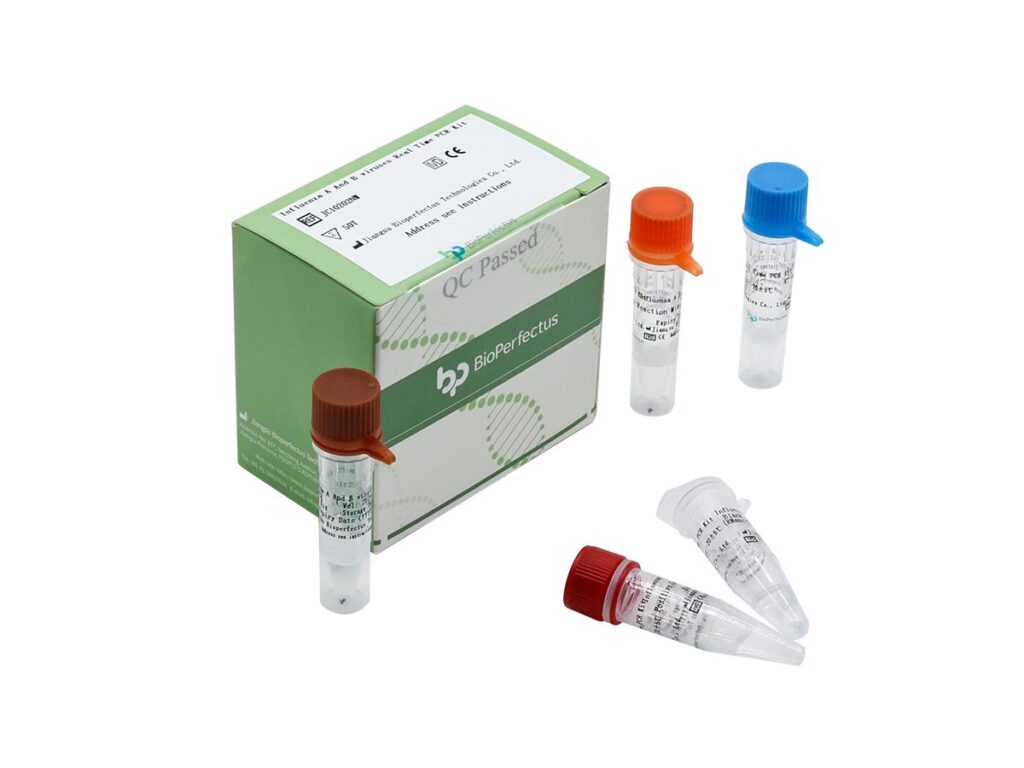
Diagnostic facilities often evaluate multiple commercial platforms to optimize their respiratory disease surveillance networks. Procurement teams look for reliable solutions that streamline workflow efficiency without compromising accuracy. Molecular methods have largely replaced traditional culture techniques due to their superior detection rates and rapid turnaround capabilities.
Evaluating Clinical Performance Metrics for Strain Detection
Accurate epidemiological monitoring depends heavily on the analytical sensitivity and specificity of chosen molecular assays. High diagnostic performance prevents false negatives that could obscure emerging viral strains during seasonal outbreaks. Laboratories integrating a PCR test for flu must review validation data concerning target-specific RNA amplification.
Clinical validation studies provide vital benchmarks for assessing assay reliability across diverse patient populations. Selected reagents must demonstrate high concordance with reference standards to ensure trustworthy surveillance outcomes. For instance, the Influenza A and B Viruses Real-Time PCR Kit exhibits clinical sensitivity values of 96.1 percent for influenza A and 97.5 percent for influenza B.
Specificity parameters are equally critical to avoid cross-reactivity with non-target respiratory pathogens circulating concurrently. Documented clinical specificity values reaching 98.7 percent for influenza A and 98.2 percent for influenza B support reliable differentiation. Such metrics enable BioPerfectus to deliver robust tools for laboratories managing complex diagnostic workloads.
Low limits of detection further characterize high-tier molecular assays designed for comprehensive pathogen surveillance. Detecting low viral loads during early infection stages helps public health authorities track transmission chains effectively. Assays featuring a limit of detection around 2.0 TCID50/mL provide the necessary analytical muscle for subtle case identification.
Assessing Specimen Compatibility and Workflow Integration
Pre-analytical variables frequently dictate the operational success of respiratory testing programs in busy clinical settings. Diverse specimen collection methods require assay formats capable of handling multiple matrix types without sacrificing lysis efficiency. Laboratories utilizing an influenza a test kit benefit from broad sample type versatility.
Compatible sample sources typically encompass throat swabs, nasal secretions, pharyngeal specimens, and cell culture supernatants. Versatile specimen acceptance minimizes specimen rejection rates and simplifies inventory management across hospital networks. Technicians appreciate workflows that accommodate standard collection kits utilized across routine outpatient and inpatient departments.
Internal controls embedded within advanced multiplex master mixes ensure that every procedural step functions correctly from extraction to amplification. Monitoring internal amplification efficiency guards against inhibition issues caused by endogenous substances within complex respiratory matrices. BioPerfectus incorporates these quality safeguards into assays developed under strict quality management systems.
Standardizing extraction protocols alongside amplification platforms reduces technical variability among different laboratory shifts. Automated liquid handlers and magnetic bead systems integrate smoothly with optimized master mix volumes, such as standard 5-microliter sample input parameters. Minimizing manual pipetting steps preserves sample integrity and protects personnel from repetitive strain injuries.
Balancing Laboratory Throughput and Turnaround Time
Operational scalability remains a decisive factor when seasonal outbreaks strain institutional resources and personnel capacity. High-volume testing facilities require real-time systems capable of processing large batches of samples within strict hourly limits. Selecting a reliable PCR test for flu helps administrators meet urgent clinical reporting deadlines.
Mainstream real-time PCR instrumentation compatibility allows laboratories to utilize existing hardware investments without purchasing dedicated proprietary machinery. Processing capacity that handles 96 tests within approximately 109 minutes matches the high-throughput demands of major hospital networks. Efficient thermal cycling profiles maximize daily run counts during peak epidemiological windows.
Workflow optimization also relies on intuitive software interfaces capable of auto-interpreting amplification curves and generating standardized reports. Automated result calling reduces subjective data analysis errors and accelerates physician notification protocols for patient management. BioPerfectus designs comprehensive solutions that align diagnostic speed with high analytical precision.
Cost-effectiveness extends beyond reagent pricing to encompass total turnaround time and labor overhead reduction. Assays packaged in flexible configurations, such as 25 or 50 tests per kit, allow smaller facilities to manage reagent shelf-life efficiently. Strategic purchasing prevents inventory waste while maintaining continuous readiness for sudden epidemiological surges.
Strategic selection of an influenza a test kit requires balancing sensitivity metrics, workflow compatibility, and instrument throughput. Molecular diagnostics must deliver unwavering reliability to support broader public health surveillance objectives.
Evaluating technical specifications objectively ensures laboratories invest in assays capable of withstanding heavy seasonal testing burdens. Robust molecular platforms ultimately empower clinicians to manage respiratory infections with confidence.
Implementing a validated PCR test for flu completes the operational framework necessary for effective epidemiological tracking. Facilities equipped with high-performing assays remain well-positioned to protect community health.
Future respiratory preparedness relies heavily on making informed procurement decisions rooted in rigorous performance evidence. Careful selection safeguards diagnostic integrity across all operational phases. Procuring the right influenza a test kit ensures long-term laboratory efficiency and dependable patient care outcomes.