How Migrating to GoHighLevel Website Design Cuts Agency SaaS Churn
Agencies managing multiple software tools for building and maintaining client websites often see clients leave sooner than expected. This churn problem grows when clients struggle to use their sites, face confusing integrations, or encounter slow support when needs change. Many agencies find themselves patching together legacy web builders, customer management systems, and marketing tools, only to watch clients leave for platforms offering a more unified experience. Shifting to a platform that brings websites, automation, and client management under one roof addresses the underlying pain: clients want simplicity, transparency, and clear value. Migrating to a platform built for agency workflows and client collaboration drastically reduces churn by solving the root causes of frustration and turnover.
Root Causes of Agency Client Churn in Traditional Web Design
Fragmented systems remain a leading reason agencies lose clients. When a site is built on one platform, forms run on another, and analytics require a separate login, clients get lost in the process. This confusion leads to frustration, missed updates, and stalled campaigns. Agency teams spend excessive time troubleshooting disconnected tools instead of demonstrating progress or suggesting improvements. In many cases, clients leave not because the agency underperforms, but because the workflow feels scattered and support takes too long to resolve multi-platform issues.
Another factor is the lack of real-time updates. Traditional designs often require clients to submit tickets for even minor changes, creating backlogs and slowing down their ability to respond to market needs. When clients feel stuck waiting, their perception of value drops and they start considering alternatives. Understanding the challenges of multi-platform management is key for agencies aiming to reduce churn.
Lastly, limited transparency into website performance makes it harder for agencies to prove their ongoing impact. Without clear, accessible analytics and reporting, clients may not see the full value being delivered, which erodes trust and increases the likelihood of churn.
Consolidating Client Tech Stacks Through GoHighLevel Infrastructure
Moving to GoHighLevel Website Design for agencies streamlines the entire technology stack. By migrating sites, forms, automation, and contact management into a single platform, agencies eliminate the need for clients to juggle multiple logins or learn several systems. This unified approach reduces support requests and makes training new client staff easier and more consistent.
With a consolidated infrastructure, agencies can respond faster to client requests, since all tools and data operate within one ecosystem. This means updates, new feature rollouts, and troubleshooting happen in one place, speeding up resolution times and building trust. Agencies with this setup see fewer errors caused by incompatible plugins or outdated integrations.
When agencies use GoHighLevel Website Design, clients experience a streamlined workflow from day one. The platform’s unified structure means onboarding is straightforward, and clients can see how every tool works together to produce results. This integrated approach keeps clients engaged and less likely to seek alternative solutions.
Enhancing Stickiness with Centralized Dashboard Management
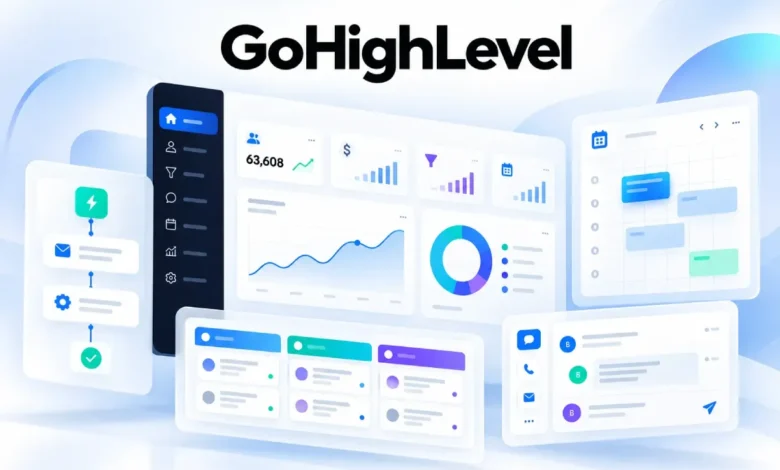
One feature that sets GoHighLevel Website Design for agencies apart is the centralized dashboard. Agencies and clients gain access to a single interface for all website updates, analytics, automation controls, and communication tools. This centralization makes it easy for clients to monitor progress, request changes, and access performance data in real time.
Clients who can log in and see the status of campaigns, website metrics, and support tickets are more likely to stay engaged. This transparency reduces the perception of being left in the dark, which is a common reason clients abandon agency relationships. Agencies can also proactively update clients on wins and areas for improvement, keeping the conversation focused on outcomes rather than problems.
Centralized dashboards also allow agencies to efficiently manage multiple client accounts without the risk of cross-platform confusion. Reviewing best practices for client dashboard transparency highlights how shared interfaces build trust and drive retention.
Demonstrating Ongoing ROI to Secure Long Term Agency Retention
Clients need to see a clear return on investment (ROI) to justify staying with an agency. GoHighLevel Website Design for agencies makes it easy to generate reports that link website updates, marketing campaigns, and automation directly to measurable results. Agencies can schedule regular reviews using built-in analytics and reporting features, tying work delivered to actual lead generation or sales outcomes.
When agencies use integrated performance tracking, they can address client concerns before dissatisfaction grows. Automated reporting features mean agencies can provide monthly summaries without manual data collection, freeing up time for strategic planning and personal outreach. Clients who see consistent, data-backed progress are far less likely to churn.
This focus on transparency and results transforms the agency-client relationship from transactional to consultative. Agencies become partners in business growth, not just service providers, which is a key factor in retaining clients year after year.
Conclusion
Agencies ready to reduce churn should evaluate how a unified platform addresses client pain points and streamlines service delivery. Migrating to an integrated website system allows agencies to offer a seamless experience, reinforce ongoing value, and foster long-term client relationships without the friction of fragmented tools or outdated workflows.