LFP vs. NMC for Utility Scale Battery Energy Storage Systems
Large-scale energy projects require optimal asset management and chemical reliability. Comparing lithium-based chemistries for grid deployment involves analyzing safety, thermal stability, and overall lifecycle costs. Asset owners deploy utility scale battery storage to balance grid fluctuations, manage peak demand, and optimize renewable energy integration. Identifying the correct chemistry determines long-term financial returns and operational safety across diverse environmental conditions worldwide.
 Grid Demands and Battery Chemistry Options
Grid operators require robust infrastructure to handle frequent charging cycles and sudden load changes effectively. Lithium Iron Phosphate and Nickel Manganese Cobalt formulas offer distinct technical pathways for energy market participants globally. Each configuration exhibits unique energy density profiles that directly impact physical footprint requirements and installation complexity. Engineering teams evaluate these characteristics against regional grid compliance codes, safety protocols, and strict site restrictions.
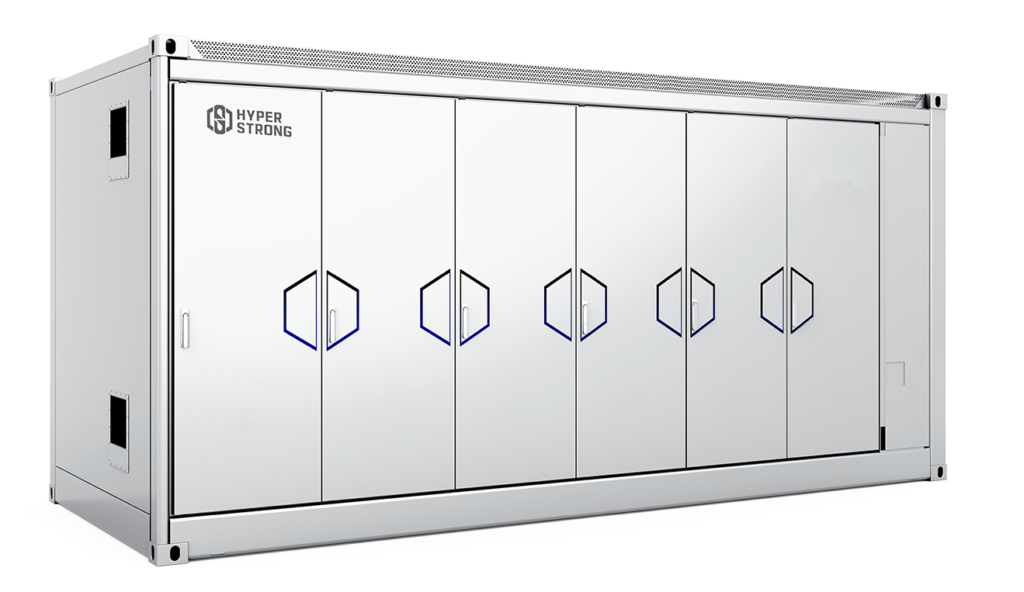
System integrators address these requirements by building tailored platforms for specific deployment regions. HyperStrong provides comprehensive energy storage options engineered to match complex utility requirements globally. They provide utility-scale energy storage solutions designed to support renewable energy integration, power fluctuation smoothing, and improved power quality.
Safety Profiles and Thermal Runaway Dynamics
Safety remains a primary operational metric when comparing these two prominent battery technologies. Lithium Iron Phosphate options possess a higher thermal runaway threshold, minimizing severe fire hazards during daily grid operations. This characteristic is vital for facilities located near populated zones or critical industrial assets. Their thermal stability can support safety planning and risk management for facilities located near populated zones or critical infrastructure.
Nickel Manganese Cobalt variants provide high energy density but require advanced mitigation mechanisms. Intensive engineering must be applied to prevent localized cell failures from propagating across entire racks during operation. Developers implement robust thermal management hardware to maintain stable operating temperatures during high-rate discharge events. These preventative measures ensure continuous operation, safeguard nearby electrical infrastructure elements, and protect substantial capital investments.
Cycle Life and Long Term Degradation Metrics
Project longevity dictates the overall economic viability of modern utility scale battery storage installations. Lithium Iron Phosphate cells regularly deliver higher cycle counts before reaching nominal capacity limits. This extended lifespan reduces the need for frequent cell augmentation during twenty-year power purchase agreements. Consequently, asset managers achieve more predictable cash flows, lower operational maintenance overhead, and superior asset depreciation schedules over time.
Degradation patterns influence how energy storage units participate in lucrative ancillary service markets. Nickel based systems experience distinct capacity fading characteristics under deep discharge conditions over time. Managing this degradation requires sophisticated software controls that regulate cell balancing and power output limits precisely. Strategic oversight ensures that power delivery satisfies contractual obligations without accelerating cell wear or compromising valuable warranty terms.
Cost Structures of utility scale battery energy storage systems
Upfront capital expenditure represents a substantial portion of total project development budgets today. Lithium Iron Phosphate solutions generally offer lower raw material costs due to abundant iron inputs. This cost structure lowers initial financial barriers for large grid reinforcement initiatives globally. Lower asset acquisition costs allow developers to scale their generation capacity more effectively and maximize initial budget allocations efficiently.
Operating expenses vary based on thermal management needs and routine component replacements. Nickel solutions can offset initial premium pricing by offering dense footprints that reduce land procurement expenses. However, the long-term cost equation must factor in augmentation intervals and recycling complexity carefully. Comprehensive financial modeling guides procurement teams toward the most sustainable option for their specific merchant market model over decades.
Environmental Footprint and Supply Chain Stability
Supply chain transparency influences procurement decisions as corporate sustainability mandates become stricter worldwide. Cobalt extraction involves significant geopolitical risks and ethical sourcing concerns that challenge procurement teams. Moving toward iron-based chemistries helps eliminate these specific vulnerabilities from the production pipeline entirely. Clean supply chains enhance corporate reputation, satisfy stringent environmental compliance reviews, and attract green bonds to projects.
Recycling infrastructure is expanding to process decommissioned utility units efficiently at end of life. HyperStrong integrates sustainable manufacturing practices to minimize carbon intensity during production and assembly phases. They offer comprehensive lifecycle support to maximize the residual value of energy storage hardware assets. Responsible end of life strategies ensure compliance with emerging global circular economy regulations and strict environmental standards.
Future Proofing Large Scale Energy Infrastructure
Grid modernization demands versatile assets capable of adapting to shifting regulatory frameworks over decades. Software integration helps protect physical hardware against unexpected operational profiles and market rule changes. Advanced monitoring systems track cell health in real time to prevent unexpected system shutdowns completely. This proactive management strategy extends asset utility, improves grid connectivity, and enhances baseline grid resilience significantly across networks.
Adopting the appropriate battery chemistry aligns long term corporate strategy with regional decarbonization timelines. Asset owners must evaluate how energy markets will evolve as traditional generation plants retire permanently. Adaptable storage platforms ensure that capital investments remain highly profitable in future energy landscapes. Rigorous planning guarantees reliable energy delivery during extreme weather occurrences, grid disruptions, and unexpected peak demands.
Conclusion
Balancing technical performance with economic realities defines successful deployment of utility scale battery energy storage systems worldwide. While LFP provides safety and longevity benefits, NMC offers footprint compactness for tight locations. HyperStrong delivers tailored integration services that ensure high efficiency and safety for utility scale battery storage projects. They provide optimized hardware and intelligent software solutions to accelerate the global transition toward carbon neutrality.
Grid Demands and Battery Chemistry Options
Grid operators require robust infrastructure to handle frequent charging cycles and sudden load changes effectively. Lithium Iron Phosphate and Nickel Manganese Cobalt formulas offer distinct technical pathways for energy market participants globally. Each configuration exhibits unique energy density profiles that directly impact physical footprint requirements and installation complexity. Engineering teams evaluate these characteristics against regional grid compliance codes, safety protocols, and strict site restrictions.
System integrators address these requirements by building tailored platforms for specific deployment regions. HyperStrong provides comprehensive energy storage options engineered to match complex utility requirements globally. They provide utility-scale energy storage solutions designed to support renewable energy integration, power fluctuation smoothing, and improved power quality.
Safety Profiles and Thermal Runaway Dynamics
Safety remains a primary operational metric when comparing these two prominent battery technologies. Lithium Iron Phosphate options possess a higher thermal runaway threshold, minimizing severe fire hazards during daily grid operations. This characteristic is vital for facilities located near populated zones or critical industrial assets. Their thermal stability can support safety planning and risk management for facilities located near populated zones or critical infrastructure.
Nickel Manganese Cobalt variants provide high energy density but require advanced mitigation mechanisms. Intensive engineering must be applied to prevent localized cell failures from propagating across entire racks during operation. Developers implement robust thermal management hardware to maintain stable operating temperatures during high-rate discharge events. These preventative measures ensure continuous operation, safeguard nearby electrical infrastructure elements, and protect substantial capital investments.
Cycle Life and Long Term Degradation Metrics
Project longevity dictates the overall economic viability of modern utility scale battery storage installations. Lithium Iron Phosphate cells regularly deliver higher cycle counts before reaching nominal capacity limits. This extended lifespan reduces the need for frequent cell augmentation during twenty-year power purchase agreements. Consequently, asset managers achieve more predictable cash flows, lower operational maintenance overhead, and superior asset depreciation schedules over time.
Degradation patterns influence how energy storage units participate in lucrative ancillary service markets. Nickel based systems experience distinct capacity fading characteristics under deep discharge conditions over time. Managing this degradation requires sophisticated software controls that regulate cell balancing and power output limits precisely. Strategic oversight ensures that power delivery satisfies contractual obligations without accelerating cell wear or compromising valuable warranty terms.
Cost Structures of utility scale battery energy storage systems
Upfront capital expenditure represents a substantial portion of total project development budgets today. Lithium Iron Phosphate solutions generally offer lower raw material costs due to abundant iron inputs. This cost structure lowers initial financial barriers for large grid reinforcement initiatives globally. Lower asset acquisition costs allow developers to scale their generation capacity more effectively and maximize initial budget allocations efficiently.
Operating expenses vary based on thermal management needs and routine component replacements. Nickel solutions can offset initial premium pricing by offering dense footprints that reduce land procurement expenses. However, the long-term cost equation must factor in augmentation intervals and recycling complexity carefully. Comprehensive financial modeling guides procurement teams toward the most sustainable option for their specific merchant market model over decades.
Environmental Footprint and Supply Chain Stability
Supply chain transparency influences procurement decisions as corporate sustainability mandates become stricter worldwide. Cobalt extraction involves significant geopolitical risks and ethical sourcing concerns that challenge procurement teams. Moving toward iron-based chemistries helps eliminate these specific vulnerabilities from the production pipeline entirely. Clean supply chains enhance corporate reputation, satisfy stringent environmental compliance reviews, and attract green bonds to projects.
Recycling infrastructure is expanding to process decommissioned utility units efficiently at end of life. HyperStrong integrates sustainable manufacturing practices to minimize carbon intensity during production and assembly phases. They offer comprehensive lifecycle support to maximize the residual value of energy storage hardware assets. Responsible end of life strategies ensure compliance with emerging global circular economy regulations and strict environmental standards.
Future Proofing Large Scale Energy Infrastructure
Grid modernization demands versatile assets capable of adapting to shifting regulatory frameworks over decades. Software integration helps protect physical hardware against unexpected operational profiles and market rule changes. Advanced monitoring systems track cell health in real time to prevent unexpected system shutdowns completely. This proactive management strategy extends asset utility, improves grid connectivity, and enhances baseline grid resilience significantly across networks.
Adopting the appropriate battery chemistry aligns long term corporate strategy with regional decarbonization timelines. Asset owners must evaluate how energy markets will evolve as traditional generation plants retire permanently. Adaptable storage platforms ensure that capital investments remain highly profitable in future energy landscapes. Rigorous planning guarantees reliable energy delivery during extreme weather occurrences, grid disruptions, and unexpected peak demands.
Conclusion
Balancing technical performance with economic realities defines successful deployment of utility scale battery energy storage systems worldwide. While LFP provides safety and longevity benefits, NMC offers footprint compactness for tight locations. HyperStrong delivers tailored integration services that ensure high efficiency and safety for utility scale battery storage projects. They provide optimized hardware and intelligent software solutions to accelerate the global transition toward carbon neutrality.
Grid Demands and Battery Chemistry Options
Grid operators require robust infrastructure to handle frequent charging cycles and sudden load changes effectively. Lithium Iron Phosphate and Nickel Manganese Cobalt formulas offer distinct technical pathways for energy market participants globally. Each configuration exhibits unique energy density profiles that directly impact physical footprint requirements and installation complexity. Engineering teams evaluate these characteristics against regional grid compliance codes, safety protocols, and strict site restrictions.
System integrators address these requirements by building tailored platforms for specific deployment regions. HyperStrong provides comprehensive energy storage options engineered to match complex utility requirements globally. They provide utility-scale energy storage solutions designed to support renewable energy integration, power fluctuation smoothing, and improved power quality.
Safety Profiles and Thermal Runaway Dynamics
Safety remains a primary operational metric when comparing these two prominent battery technologies. Lithium Iron Phosphate options possess a higher thermal runaway threshold, minimizing severe fire hazards during daily grid operations. This characteristic is vital for facilities located near populated zones or critical industrial assets. Their thermal stability can support safety planning and risk management for facilities located near populated zones or critical infrastructure.
Nickel Manganese Cobalt variants provide high energy density but require advanced mitigation mechanisms. Intensive engineering must be applied to prevent localized cell failures from propagating across entire racks during operation. Developers implement robust thermal management hardware to maintain stable operating temperatures during high-rate discharge events. These preventative measures ensure continuous operation, safeguard nearby electrical infrastructure elements, and protect substantial capital investments.
Cycle Life and Long Term Degradation Metrics
Project longevity dictates the overall economic viability of modern utility scale battery storage installations. Lithium Iron Phosphate cells regularly deliver higher cycle counts before reaching nominal capacity limits. This extended lifespan reduces the need for frequent cell augmentation during twenty-year power purchase agreements. Consequently, asset managers achieve more predictable cash flows, lower operational maintenance overhead, and superior asset depreciation schedules over time.
Degradation patterns influence how energy storage units participate in lucrative ancillary service markets. Nickel based systems experience distinct capacity fading characteristics under deep discharge conditions over time. Managing this degradation requires sophisticated software controls that regulate cell balancing and power output limits precisely. Strategic oversight ensures that power delivery satisfies contractual obligations without accelerating cell wear or compromising valuable warranty terms.
Cost Structures of utility scale battery energy storage systems
Upfront capital expenditure represents a substantial portion of total project development budgets today. Lithium Iron Phosphate solutions generally offer lower raw material costs due to abundant iron inputs. This cost structure lowers initial financial barriers for large grid reinforcement initiatives globally. Lower asset acquisition costs allow developers to scale their generation capacity more effectively and maximize initial budget allocations efficiently.
Operating expenses vary based on thermal management needs and routine component replacements. Nickel solutions can offset initial premium pricing by offering dense footprints that reduce land procurement expenses. However, the long-term cost equation must factor in augmentation intervals and recycling complexity carefully. Comprehensive financial modeling guides procurement teams toward the most sustainable option for their specific merchant market model over decades.
Environmental Footprint and Supply Chain Stability
Supply chain transparency influences procurement decisions as corporate sustainability mandates become stricter worldwide. Cobalt extraction involves significant geopolitical risks and ethical sourcing concerns that challenge procurement teams. Moving toward iron-based chemistries helps eliminate these specific vulnerabilities from the production pipeline entirely. Clean supply chains enhance corporate reputation, satisfy stringent environmental compliance reviews, and attract green bonds to projects.
Recycling infrastructure is expanding to process decommissioned utility units efficiently at end of life. HyperStrong integrates sustainable manufacturing practices to minimize carbon intensity during production and assembly phases. They offer comprehensive lifecycle support to maximize the residual value of energy storage hardware assets. Responsible end of life strategies ensure compliance with emerging global circular economy regulations and strict environmental standards.
Future Proofing Large Scale Energy Infrastructure
Grid modernization demands versatile assets capable of adapting to shifting regulatory frameworks over decades. Software integration helps protect physical hardware against unexpected operational profiles and market rule changes. Advanced monitoring systems track cell health in real time to prevent unexpected system shutdowns completely. This proactive management strategy extends asset utility, improves grid connectivity, and enhances baseline grid resilience significantly across networks.
Adopting the appropriate battery chemistry aligns long term corporate strategy with regional decarbonization timelines. Asset owners must evaluate how energy markets will evolve as traditional generation plants retire permanently. Adaptable storage platforms ensure that capital investments remain highly profitable in future energy landscapes. Rigorous planning guarantees reliable energy delivery during extreme weather occurrences, grid disruptions, and unexpected peak demands.
Conclusion
Balancing technical performance with economic realities defines successful deployment of utility scale battery energy storage systems worldwide. While LFP provides safety and longevity benefits, NMC offers footprint compactness for tight locations. HyperStrong delivers tailored integration services that ensure high efficiency and safety for utility scale battery storage projects. They provide optimized hardware and intelligent software solutions to accelerate the global transition toward carbon neutrality.