
How to Choose a Trading App Based on Your Investment and Trading Requirements
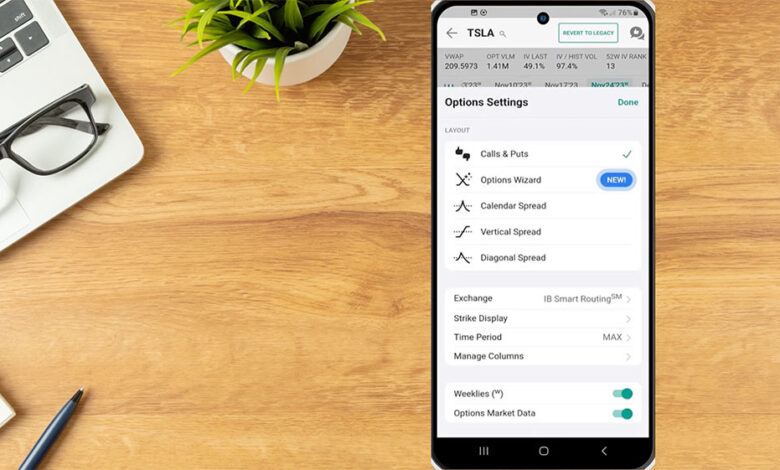
The best trading app in India is not necessarily the one with the most features or the lowest advertised brokerage. It is the one that suits your requirements, offers the tools you need and provides adequate security for your funds and personal information. Before choosing a trading app, consider whether you plan to invest for the long term, trade occasionally or actively trade in the markets.
Start With Your Objective
Choosing a trading app as a beginner is different from selecting one as a day trader. A new investor may prefer a user-friendly interface, access to stocks, mutual funds and ETFs, and basic research tools. A day trader, on the other hand, may need real-time market data, reliable charts, different order types and risk-management features.
Before selecting a platform, consider the following questions:
- Do you plan to invest through monthly SIPs or build a long-term investment portfolio?
- Do you intend to buy and sell stocks occasionally or trade actively throughout the day?
- Do you plan to trade in futures and options, commodities or currency derivatives?
- Do you need research reports, stock screeners, price alerts or educational resources?
- Would you prefer to make investment decisions independently or use research and advisory services?
Your answers will help you identify the features you actually need instead of paying for tools you may rarely use.
Check Regulation First
Safety should be a priority when choosing a trading app. Check whether the stockbroker operating the app is registered with the Securities and Exchange Board of India (SEBI) and is a member of the relevant stock exchange, such as the NSE or BSE.
If the broker also provides Demat account services, check whether it is registered as a Depository Participant (DP) with NSDL or CDSL. A Demat account holds securities in electronic form, while the linked trading account is used to place buy and sell orders.
You can verify the broker’s registration and membership details through the relevant regulatory and exchange websites. Also, review its grievance-redressal process and the terms and conditions before opening an account.
Do not choose an app simply because it looks attractive or is easy to use. A user-friendly interface cannot make up for inadequate security, unclear charges or poor customer support.
Match Features to Your Trading Style
The right trading app should support the products and order types you intend to use. Long-term investors may want access to equity investments, mutual funds, ETFs and IPO applications. Active traders may need advanced charts, market depth, real-time data, watchlists and multiple order types.
Some useful features to compare include:
- Investment options: Check whether the app supports stocks, mutual funds, ETFs, IPOs and other products you may want to invest in.
- Trading segments: If you plan to trade in derivatives, commodities or currency derivatives, confirm that the broker offers the relevant segments and that you meet the required eligibility criteria.
- Research tools: Look for screeners, company information, research reports and market updates that can help you evaluate investment opportunities.
- Charts and indicators: Active traders may benefit from customisable charts, technical indicators and drawing tools.
- Order types: Check whether the app supports market, limit, stop-loss and other relevant order types.
- Portfolio tracking: The app should make it easy to view your holdings, open positions, transaction history and overall portfolio performance.
Choose a platform based on how well its features match your requirements rather than the number of features it advertises.
Understand the Full Cost
Low brokerage can help reduce trading expenses, but it does not represent the entire cost of using a trading app. Investors and traders may also have to pay account maintenance charges, Demat transaction charges, call-and-trade fees and other service-related costs.
Before opening an account, check the following charges:
- Account-opening and annual maintenance charges.
- Brokerage for equity delivery, intraday trading, futures and options.
- Depository Participant (DP) charges for applicable Demat transactions.
- Fees for call-and-trade services and offline orders.
- Charges for market data, charting tools and API services, if applicable.
- Statutory charges, including taxes and exchange-related fees.
Compare the complete tariff structure of different brokers. Some charges may apply only when you use specific services, so check the conditions carefully.
Choosing an app solely because it offers low brokerage may not be the best decision.
Consider the overall cost alongside platform reliability, available tools, customer support and the quality of services offered.
Test the Platform Before Committing
A trading app may look impressive in promotional material but may not perform as expected during periods of high market activity. Platform stability is particularly important during volatile trading sessions and derivatives expiry days, when order activity can be high.
Before transferring a large amount of money, explore the app and understand how it works. You can:
- Check how quickly charts, watchlists and order pages load.
- Explore the different order types and understand how to place or modify orders.
- Review how the app displays brokerage and other applicable charges.
- Check whether order status and transaction updates are easy to track.
- Explore the app during normal market hours to assess its performance.
- Contact customer support with a basic query and evaluate the response.
If you decide to place a trade, start with an amount you can afford to risk and understand the order details before confirming it. Remember that app performance can vary with internet connectivity, market conditions and technical issues. A smooth experience during a short test does not guarantee uninterrupted service during every trading session.
Prioritise Risk Controls
Successful trading involves managing potential losses as much as identifying opportunities. The trading app you choose should make it easy to monitor your positions, understand margin requirements and manage orders.
Some useful risk-management features include:
- Stop-loss and limit orders to help manage entry and exit prices.
- Clear information about margin requirements and available funds.
- Order confirmation screens displaying relevant order details and estimated charges.
- Price alerts and notifications about order status.
- Easy access to transaction history, contract notes and portfolio holdings.
- Tools to track realised and unrealised profits and losses.
If you are new to derivatives, understand concepts such as leverage, margin requirements, settlement obligations and the possibility of substantial losses before trading. A trading app can provide tools to help manage risk, but it cannot replace a well-defined trading plan or guarantee that losses will be avoided. Stop-loss orders also do not guarantee execution at the specified price, particularly during volatile market conditions.
A Practical Selection Checklist
Before choosing a trading app, use this checklist to compare your options:
- Verify the broker’s SEBI registration and relevant stock exchange membership.
- Identify whether you are a long-term investor, occasional trader or active trader.
- Check whether the app offers the products and segments you need, such as stocks, mutual funds, ETFs, IPOs, commodities and derivatives.
- Compare the complete fee structure, including recurring, transaction-based and service-related charges.
- Evaluate the available order types, charts, research tools and platform reliability.
- Check security features, account recovery options and nomination facilities.
- Review customer feedback and test the quality of customer support.
- Start with a small amount while you familiarise yourself with the platform and its features.
This checklist can help you compare trading apps based on practical requirements rather than promotional claims.
Final Thought
There is no single app that can be called the best trading app in India. The right platform depends on your budget, investment horizon, trading strategy and risk appetite. It should also offer transparent pricing, appropriate security measures and reliable services.
Before making a choice, list your requirements, compare the overall costs and explore the app’s features. A suitable trading app should help you manage your investments and execute your decisions efficiently, rather than encourage unnecessary trading or risk-taking.