How Extraction Fans Help Remove Dust, Fumes, And Airborne Contaminants
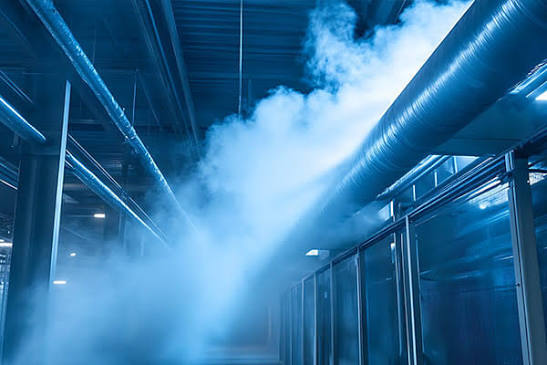
Workplaces with manufacturing, building, painting, and mechanical activities often have issues with dust, odours, and airborne pollutants. Although they may not always be apparent, these particles may have an impact on equipment performance, worker comfort, and indoor air quality. Pollutants may build up and provide potentially dangerous working conditions if there is insufficient ventilation. One solution to these issues is to install a functional ventilation system. By eliminating tainted air from workspaces and promoting a cleaner atmosphere, extraction fans are crucial.
Recognising Extraction Fans’ Function In Industrial Ventilation
Depending on how they operate, industrial establishments produce a variety of airborne contaminants. Sawdust is produced by woodworking facilities, tiny particles may be released during metalworking processes, and chemical vapours may be released during painting operations. Workers may breathe in these pollutants while doing daily tasks if they are suspended.
Through a ventilation system, an extraction fan assists in removing polluted air from a specified region. Extracted air may go through filtering equipment before being released or, if necessary, recirculated, depending on the use. Airflow capacity, fan positioning, ductwork design, and the kind of pollution being removed are some of the variables that affect how successful this operation is.
When natural ventilation is insufficient to reduce airborne contaminants, well-designed extraction systems are very helpful.
How Dust Accumulation Is Reduced By Extraction Fans
In industrial facilities, warehouses, and workshops, dust is a constant problem. Particles released during operations, including cutting, grinding, sanding, and material handling, may land on equipment, work surfaces, and storage spaces. Long-term suspension of fine particles in the air is another possibility.
By catching particles close to their source before they spread across the workplace, extraction devices aid in dust management. These systems move dust via ductwork into specified filtering or collection units when coupled to appropriate collecting equipment.
Maintaining equipment might also be aided by lowering airborne dust. Excessive dust buildup may obstruct air holes, interfere with equipment parts, and increase cleaning needs. However, in order to handle any fire and explosion threats, facilities handling combustible dust must use properly engineered extraction and collection systems.
Eliminating Dangerous Fumes From Industrial Work Environments
Another significant issue in industrial settings is fumes and vapours, especially when welding, painting, chemical processing, or solvent applications take place. While continuous exposure to certain toxins may result in more significant health issues, other airborne particles might irritate the eyes and respiratory system.
A local exhaust ventilation system intended to catch emissions near their place of production might include an extraction fan that has been carefully chosen. For instance, extraction arms may be placed close to the welding area in welding stations, and unique ventilation measures are often needed in spray painting facilities.
Moving air around a room is not enough to eliminate fumes effectively. Pollutants must be captured by the system, transported safely, and then discharged or treated as needed. Additionally, the equipment has to be appropriate for the chemicals and possibly combustible environments.
Enhancing Workplace Comfort And Indoor Air Quality
Industrial settings may be unpleasant due to poor indoor air quality, especially when airborne pollutants are combined with heat and poor ventilation. Inadequate ventilation may lead to unpleasant smells, irritation, or discomfort for workers.
By eliminating contaminated air and allowing appropriate replacement air to enter the building, extraction systems may enhance working conditions. This promotes a more pleasant working atmosphere and lessens the accumulation of contaminants.
However, rather than taking the place of other workplace safety precautions, extraction ventilation should enhance them. In situations where hazardous materials are present, routine equipment maintenance, suitable respiratory protection, exposure monitoring, and safe handling techniques are still crucial.
Selecting And Sustaining A Successful Extraction System
Understanding the work environment is necessary when choosing the right extraction equipment. The pollutants produced, necessary airflow, operating circumstances, available installation space, and filtering needs should all be taken into account by facility management.
For dangerous chemical fumes, flammable particles, or corrosive vapours, a system intended for regular dust cleaning may not be appropriate. Determining the proper equipment specs and installation configuration is aided by expert evaluation.
Upkeep is just as crucial. Worn parts, broken ducting, and clogged filters may all lower extraction efficiency. Maintaining airflow and ensuring the system keeps working efficiently are made possible by regular cleanings and inspections.
Conclusion
Maintaining a safer and more pleasant industrial environment requires effective management of airborne pollution. By assisting in the removal of dust, odours, and undesirable airborne materials before they spread across work areas, extraction fans help achieve this aim. Extraction ventilation may enhance indoor air quality, safeguard equipment, and promote better working conditions when paired with appropriate filtration, efficient system design, and regular maintenance.