League of Legends and Its Lasting Impact on Esports
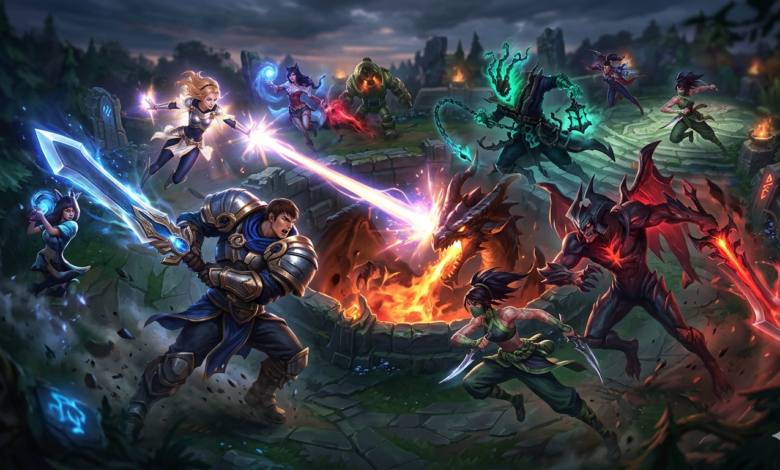
Why Millions of Fans Follow League of Legends
League of Legends is the best esports game of all time. Since its public release in 2009, it has evolved from a multiplayer online game for a small audience into one of the world’s largest esports tournaments. Given that millions of players log in to the game every day and professional tournaments draw huge crowds to stadiums around the world, this seems like an indisputable fact. It is the game’s longevity that has allowed it to transform esports into a dominant form of entertainment and has contributed to the development of professional esports ecosystems in various regions.
This growing popularity has also influenced the wider esports industry, including areas such as League of Legends betting, where fans engage with competitive matches on a more analytical level by following team performance, statistics, and tournament outcomes.
It is the combination of strategic depth and dynamic gameplay that makes the game so appealing. Every match is unique, and teams must prepare for a variety of scenarios, none of which are known in advance — they have to make split-second decisions and perform under pressure. It is this blend of tactics and talent that continues to captivate players and spectators year after year.
The Importance of Regional Competitions
It is precisely this competitive system that has kept League of Legends going strong for so long. Professional teams compete year-round in regional leagues to qualify for these international tournaments. One thing you can count on is the consistency of these leagues and the chance to follow your favorite teams and players throughout the year.
Regional tournaments have given us legendary showdowns and stories that go beyond the realm of sports. Teams spend months preparing for important matches, and even a single win or loss can drastically affect their chances of winning the championship — and sometimes their entire season. It’s this style of play that creates the competitive rhythm that captivates fans so much.
And as other regions continue to strengthen, international tournaments will only become even more exciting. Fans are passionately debating which region has the best teams and whether the traditional leaders can hold their ground against new contenders.
The Importance of International Tournaments
When it comes to esports, international championships are generally the best competitions to watch throughout the year. Tournaments such as the Mid-Season Invitational and the World Championship feature the best teams from around the world, who never face off in their regional leagues. In particular, the World Championship is the professional League of Legends equivalent of the Super Bowl. Teams spend an entire season battling their way through qualifying rounds, and these competitions are renowned for delivering countless unforgettable moments. Fan favorites who unexpectedly snatch victory from the jaws of defeat, talents who emerge out of nowhere to establish their dominance — these are the moments that make esports epic. But this also highlights the global aspect of the game. People from all over the world and across different continents come together to support their teams, and this energy can match or even surpass that of any other sporting event.
Strategic Depth and Constant Evolution
League of Legends continues to be characterized by constant change. The developers periodically release balance patches to adjust champions, items, and game rules. As a result, professional teams must constantly stay on their toes; otherwise, they risk falling behind.
It is precisely this constant evolution that keeps the game from becoming stagnant. What was strategically effective in one tournament often stops working just a few months later, forcing players and coaches to constantly innovate. Fans get to watch as teams try to solve new challenges.
The number of champions is one of the reasons why the game is so deep. Each hero has unique strengths and different abilities, which means your team can employ a variety of tactics. Choosing them is now a tactical battle in itself, one that — at least to some extent — determines the outcome of the match even before the players enter the “Rift”.
The Role of Players and Organizations
League of Legends esports players play a key role in popularizing the game. Some players devote years of their lives to training in order to compete at the highest level. Their personal qualities and skills allow them to capture the audience’s attention and inspire the next generation of players.
Today, esports teams provide their players with this level of support and even more. Coaches, analysts, content creators, and performance specialists — all of them are crucial to a team’s success. Organizations provide players with professional-level support, much like traditional sports organizations do, which in turn allows players to perform consistently throughout a long and grueling competitive season.
Players also interact with fans through channels such as streaming and social media. This exchange between fans and players, amplified by the game itself, creates fan communities that will support their team no matter what.
The Growing Influence of Data and Analysis
As esports continues to grow, data analysis tools are becoming increasingly important. Teams also review their own games to identify weaknesses in their strategy and study their next opponent, using every bit of information they can gather. It all starts with hero selection, followed by objective control, and finally, team movement.
Fans have become very enthusiastic about this aspect of the game. On match days, there are heated discussions about the teams’ current form and their latest results, as well as whether each side’s tactics have any particular strengths or weaknesses. This has helped viewers become more knowledgeable and increased their understanding of the game, which, in turn, has enhanced their viewing experience.
The Future of League of Legends Esports
Since the League’s founding, its development has been steady — moving steadily forward. It’s not as if there’s a sudden influx of new players every year — who seem to appear as if by magic, wreak havoc on the scene, and then disappear — but they are present at virtually every skill level, and there are people who know the game well enough to compete and keep the community thriving. Furthermore, the fact that international tournaments regularly attract huge audiences shows that the game remains very popular.
Technological progress is also benefiting the esports industry by attracting an ever-growing audience. Better production values and more interactive elements, along with broadcasts from corners of the world that were never previously considered sports hubs, allow fans to follow the teams and players they want to root for.
As a result, we’re seeing a new type of regional tournaments, new regional champions, and a new dynamic on the world stage. This increase in diversity has also made global tournaments somewhat more unpredictable — and therefore more exciting to watch.