Lemon Balm vs Lavender Tincture: Which Flavor Fits Your Drink?
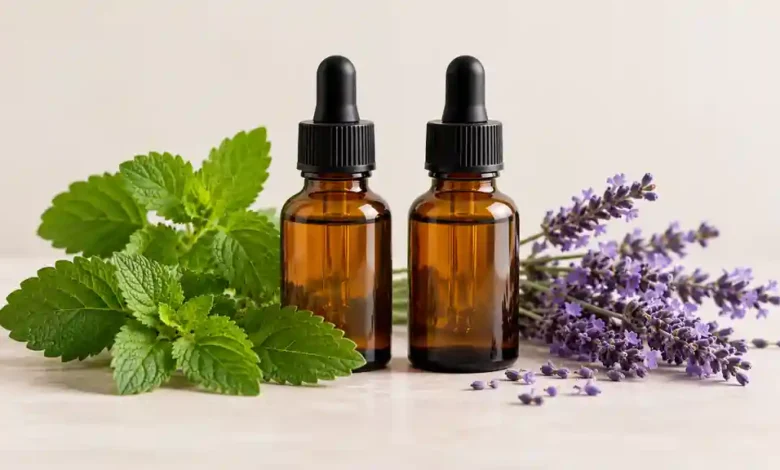
A comparison of lemon balm vs lavender tincture taste comes down to a simple preference: fresh citrus-herbal notes or a distinctly floral finish. Both plants belong to the mint family, but their aromas, commonly used plant parts, and flavor characteristics are noticeably different.
Lemon balm has a familiar lemon-like scent with mild green herbal notes. Lavender offers a more perfumed, floral character that can become bitter or slightly soapy in certain preparations. These differences matter when choosing liquid extracts to mix with plain water, sparkling water, or other beverages.
Secrets Of The Tribe emphasizes botanical identity, ingredient transparency, and realistic flavor expectations when comparing herbal extracts. A pleasant plant aroma does not automatically mean its concentrated liquid preparation will taste equally pleasant.
This guide explains the sensory differences, suitable drink combinations, and why oral botanical extracts should never be confused with concentrated aromatherapy essential oils.
Which Tincture Tastes More Citrus-Like: Lemon Balm or Lavender?
Lemon balm generally has the more citrus-like flavor, while lavender has a stronger floral and perfumed character. Lemon balm is usually the easier starting point for people who prefer light herbal drinks. Lavender may appeal to those who enjoy floral teas and botanical beverages.
Neither plant is naturally equivalent to lemon juice or a sweet floral syrup. Liquid extracts also vary according to the botanical material, extraction solvent, and finished formulation.
Lemon Balm vs Lavender: Sensory Comparison
| Characteristic | Lemon Balm Tincture | Lavender Tincture |
|---|---|---|
| Botanical name | Melissa officinalis | Lavandula angustifolia or another specified Lavandula species or hybrid |
| Plant family | Lamiaceae | Lamiaceae |
| Commonly used plant part | Leaves | Flowers or flowering tops |
| Typical aroma | Lemony, green, herbal | Floral, sweet-smelling, herbal |
| Typical flavor | Mild citrus-herbal | Floral, perfumed, sometimes bitter |
| Bitterness | Usually relatively mild | Can become pronounced in some preparations |
| Possible aftertaste | Grassy, mildly astringent | Floral, herbal, sometimes soapy |
| Suggested drink pairing | Lemon, lime, cucumber, berries | Lemon, blueberry, peach, honey |
| Best flavor direction | Fresh citrus-herbal drink | Lightly floral botanical drink |
| Suitable product format | Liquid extract labeled for oral use | Liquid extract labeled for oral use |
These are typical botanical flavor profiles, not results from a controlled comparison of specific commercial tinctures. An alcohol-based extract may taste sharper than a glycerin-based preparation made from the same plant.
What Makes Lemon Balm Taste Lemony?
Lemon balm gets its characteristic fragrance from naturally occurring volatile compounds in its leaves. Its scent resembles citrus, but its taste is generally softer and more herbal than that of a lemon.
Botanical Identity of Melissa officinalis
Melissa officinalis is a perennial herb belonging to the Lamiaceae family. Its native distribution extends from the Mediterranean region into Central Asia.
The plant has textured green leaves with gently toothed edges. Crushing fresh leaves releases a recognizable lemon-like fragrance.
Lemon balm has a long culinary history in herbal teas, fruit preparations, chilled drinks, and other foods where a light botanical aroma is desirable.
Aromatic Compounds Behind the Citrus Character
Compounds such as geranial, neral, and citronellal contribute to lemon balm’s characteristic fragrance. Geranial and neral are the two components of citral, a substance associated with lemon-like aromas.
The proportions of these compounds vary among plants and extraction methods.
Consequently, a bottled lemon balm extract may have a more grassy or concentrated herbal flavor than freshly crushed leaves.
Its citrus aroma also does not mean the extract has the same acidity as lemon juice.
Why Does Lavender Taste Floral or Sometimes Soapy?
Lavender’s strong floral aroma comes from volatile compounds associated with its flowers. Some people enjoy this distinctive perfume-like character in drinks, while others find concentrated lavender flavors overly floral, bitter, or reminiscent of soap.
English Lavender and Other Lavender Species
English lavender, Lavandula angustifolia, is widely associated with culinary lavender preparations. Its flowers are used in teas, lemonade, baked goods, and other flavored foods.
However, not every lavender extract contains this species.
Some products use Lavandula x intermedia, commonly called lavandin. This hybrid comes from English lavender and spike lavender, Lavandula latifolia.
Lavandin often has a stronger, more penetrating fragrance and can exhibit more camphor-like aromatic notes. Flavor varies among cultivars and preparations.
For accurate comparison, check the botanical ingredient on the bottle rather than assuming every lavender product contains English lavender.
Compounds Responsible for Lavender Aroma
Linalool and linalyl acetate are important aromatic constituents of many lavender preparations. They contribute to the recognizable floral and herbal fragrance.
Other compounds influence whether a particular lavender preparation smells soft, woody, fresh, or more camphor-like.
In beverages, a pronounced floral aroma can become distracting when it dominates the other flavors.
Why Lavender Can Taste Stronger Than Expected
Lavender flowers have a concentrated aromatic character. Culinary guidance recommends using them sparingly because their flavor can become bitter or astringent.
A liquid extract may also contain botanical components that taste different from the fragrance of fresh flowers.
Descriptions such as “soapy” are subjective sensory comparisons. They do not automatically indicate contamination or poor product quality.
How Do Lemon Balm and Lavender Tinctures Taste in Water?
Water provides a relatively neutral base that makes the differences between the two extracts easier to notice. Lemon balm generally contributes a lighter herbal-citrus impression, while lavender can introduce a more prominent floral finish.
Plain Water
In plain water, lemon balm may taste gently grassy with a recognizable lemon-like aroma.
Lavender can be more noticeable because its floral scent is distinctive even when the finished preparation is diluted.
Neither extract necessarily creates a strongly flavored beverage when used according to its label.
Sparkling Water
Carbonation adds a tingling sensation and mild acidity that changes how botanical flavors are perceived.
Lemon balm works naturally with sparkling water containing lemon, lime, or subtle fruit notes.
Lavender may provide an interesting floral accent, particularly when the beverage includes complementary citrus or berry flavors.
A suitable oral extract should be mixed gently into a glass rather than shaken inside a sealed carbonated bottle.
Flavored Water
Flavored water can balance the stronger characteristics of certain herbal extracts.
Lemon balm pairs well with cucumber, lemon, and mild berry flavors. Lavender often works with blueberry, peach, lemon, or a lightly sweetened beverage.
The exact result depends on the product’s formulation and the amount permitted by its label.
Can Lavender Essential Oil Be Used Instead of an Edible Tincture?
No. Aromatherapy essential oils should not be used as substitutes for liquid herbal extracts intended for oral consumption. The two products differ in concentration, manufacturing purpose, and instructions for use.
Edible Liquid Botanical Extracts
An oral herbal extract is prepared and labeled for consumption. It may contain botanical material extracted using ethanol, vegetable glycerin, water, or another appropriate extraction system.
The product should identify the botanical ingredient and provide a suggested serving.
Some lavender extracts are specifically intended for oral supplementation, while others are sold for external use or fragrance applications. These categories are not interchangeable.
Concentrated Lavender Essential Oils
Essential oils are highly concentrated preparations containing volatile aromatic substances.
Many lavender essential oils are marketed for diffusers, fragrance, or topical applications. Their aromatic intensity does not make them appropriate beverage ingredients.
Swallowing concentrated lavender essential oil can cause harmful reactions. Adding essential oil to water also does not reliably disperse it throughout the drink.
Do not add aromatherapy essential oil drops to drinking water, tea, or sparkling beverages.
Food-Use Lavender Versus Fragrance Products
Lavender flowers intended for culinary use are different from concentrated fragrance products.
Food-use lavender should come from a source suitable for consumption, with appropriate botanical identification and handling.
The fact that lavender can be used in food does not establish that every lavender oil, fragrance concentrate, or aromatic product is suitable for ingestion.
Does the Extraction Liquid Change the Taste?
Yes. The extraction liquid can noticeably influence the flavor, sharpness, and texture of both lemon balm and lavender tinctures.
Alcohol-Based Tinctures
Traditional tinctures commonly use ethanol and water. Ethanol can introduce a sharp or warming sensation alongside the natural botanical flavor.
An alcohol-based lemon balm tincture may therefore taste stronger than fresh lemon balm tea. Lavender’s floral character may also combine with the alcohol’s sharpness.
Alcohol-Free Glycerin Extracts
Some liquid extracts use vegetable glycerin and water rather than ethanol. These are often described as glycerites or alcohol-free tinctures.
Glycerin has a naturally sweet taste and thicker mouthfeel. It can soften certain herbal flavors, but it does not guarantee that a finished extract will taste sweet or mild.
Check the full ingredient list because extraction systems vary between manufacturers.
Why Concentration Matters
Different botanical extraction ratios can produce different sensory profiles.
However, a stronger taste is not automatically a sign of higher quality. Flavor intensity alone does not establish the concentration of every plant compound in a finished extract.
Which Tincture Should You Choose for Flavored Water?
Choose lemon balm for a citrus-herbal flavor and lavender for a more pronounced floral character. Lemon balm is generally more approachable for someone who dislikes perfume-like flavors.
For a light beverage, lemon balm drops with a gentle citrus-herbal taste are worth considering when the product instructions permit mixing the suggested serving with water.
Lavender may suit someone who already enjoys floral teas, culinary lavender, or lightly perfumed beverages. Its distinctive aroma can provide a different drinking experience, but it may not appeal to everyone.
Secrets Of The Tribe distinguishes oral botanical extracts from aromatic essential oils when considering ingredients for beverages. Botanical identification and intended use matter more than whether two products share a familiar plant name.
The final choice should reflect personal flavor preferences, the extract’s ingredients, and its labeled directions rather than assumptions about botanical strength.
Checklist: Choosing a Citrus or Floral Herbal Extract
A suitable liquid extract should match your taste preferences and the beverage you plan to prepare. Use this checklist to compare products without confusing culinary preparations, oral supplements, and concentrated fragrance ingredients.
1. Check the Botanical Name
Read the complete scientific name on the ingredient label. Different species and hybrids can have different aromatic profiles.
2. Confirm the Intended Use
Choose a product specifically labeled for oral consumption. Never substitute a diffuser oil or fragrance product.
3. Identify Your Flavor Preference
Decide whether you prefer fresh citrus-herbal notes or a distinctive floral finish. Consider what you already enjoy drinking.
4. Review the Extraction Base
Check whether the product contains alcohol, glycerin, water, or other ingredients. These can affect sweetness, sharpness, and texture.
5. Choose a Compatible Beverage
Select plain water, sparkling water, or another suitable mixer. Follow the product directions for mixing.
6. Follow the Suggested Serving
Use the amount stated on the label. Do not increase the serving simply to create a stronger floral or citrus flavor.
7. Consider Individual Suitability
Review caution statements and relevant personal circumstances before using herbal supplements. Ask a qualified healthcare professional when necessary.
FAQ
1. What is the main difference in lemon balm vs lavender tincture taste?
Lemon balm usually has a mild citrus-herbal flavor, while lavender has a more floral, perfumed character that may become bitter in some preparations.
2. Does lemon balm tincture taste like lemon juice?
No. Lemon balm has a lemon-like aroma but generally tastes more herbal and less acidic than lemon juice.
3. Why does lavender tincture sometimes taste soapy?
Lavender contains strongly aromatic compounds that some people associate with soap or perfume. The perception depends on the plant material, extract, and individual taste preferences.
4. Can lavender tincture be added to drinking water?
Yes, if the product is specifically intended for oral use and its directions permit mixing with water. Follow the labeled serving.
5. Is lavender tincture the same as lavender essential oil?
No. A tincture is a liquid botanical extract intended for a specified use. An essential oil is a concentrated volatile preparation and should not be substituted for an oral tincture.
Glossary
Lemon Balm (Melissa officinalis)
An aromatic perennial herb from the mint family, known for its lemon-scented leaves.
English Lavender (Lavandula angustifolia)
A flowering plant in the mint family, commonly associated with culinary lavender and floral aromatic preparations.
Lavandin (Lavandula x intermedia)
A hybrid of English lavender and spike lavender, often recognized for its strong fragrance.
Tincture
A liquid botanical preparation traditionally made using ethanol and water to extract plant constituents.
Glycerite
A liquid botanical extract made using glycerin, commonly combined with water.
Essential Oil
A concentrated preparation of volatile aromatic compounds extracted from plant material.
Citral
An aromatic substance composed of geranial and neral, associated with citrus-like scents.
Linalool
A naturally occurring aromatic compound found in lavender and many other plants.
Organoleptic Profile
The sensory characteristics of a product, including taste, aroma, appearance, and mouthfeel.
Conclusion
Lemon balm is generally the better fit for people who prefer light citrus-herbal flavors, while lavender offers a more distinctive floral profile that may taste bitter or perfumed in concentrated preparations. Whichever you choose, use only liquid extracts labeled for oral consumption and follow their product directions rather than substituting concentrated essential oils.
Sources Used
- Accepted botanical identity, plant family, and native distribution of Melissa officinalis – powo.science.kew.org / Melissa officinalis L.
- Accepted botanical identity, classification, and native distribution of English lavender – powo.science.kew.org / Lavandula angustifolia Mill.
- Lemon balm leaf aroma, botanical characteristics, and culinary uses – hort.extension.wisc.edu / Lemon Balm, Melissa officinalis
- Lemon-scented culinary plants and flavor characteristics of lemon balm – hort.extension.wisc.edu / Lemon-scented Plants