Valorant Tournament Roundup — From Premier Schedule to Champions
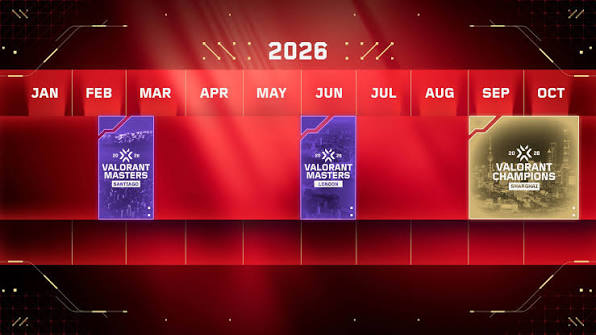
Keeping up with Riot’s competitive Valorant calendar is basically a part-time job at this point. Regional Kickoffs, Masters events, the grassroots Premier circuit — something is always running. Coverage from dbbet has tracked that growth for a while now, watching the ecosystem go from a handful of standout LANs to something closer to a year-round grind, with a valorant tournament of some kind happening almost every week. None of it makes much sense at a glance, though. Premier, VCT International, and the season-closing Champions event only click once someone lays out how they connect.
The Structure Behind the Chaos
Three layers hold the whole thing together. At the bottom sits Valorant Premier — an open ladder for players outside the franchised system trying to climb toward pro relevance. One level up are the regional VCT leagues: Americas, EMEA, Pacific, China. Franchised teams there grind through Kickoff, then Stage 1, then Stage 2. And at the very top, Masters events and Champions bring the best rosters from every region into the same room.
Here’s roughly how the tiers connect:
| Tier | Format | Who Competes | Leads To |
| Premier | Open ladder, regional divisions | Amateur and semi-pro teams | Qualifiers, occasionally VCT relevance |
| VCT Regional Leagues | Kickoff, Stage 1, Stage 2 | Franchised partner teams | Masters qualification |
| Masters | International LAN, two per year | Top regional performers | Champions qualification points |
| Champions | Season-ending world championship | Highest-ranked teams globally | Global title, prize pool |
This means a valorant tournament win at Premier level barely registers outside a specific region, while a Masters or Champions result reshapes the whole competitive conversation overnight.
Premier Schedule: The Foundation Layer
Premier runs in short cycles rather than one long season. Each cycle ends in regional qualifiers, matches play out on standard competitive settings, and the results feed a ranking system that decides seeding for whatever comes next. The valorant premier schedule usually follows the same rhythm: several weeks of regular matches, then a playoff bracket, then repeat.
A simplified look at how a typical Premier cycle breaks down:
| Phase | Duration | Purpose |
| Regular Matches | 3–4 weeks | Build regional ranking |
| Division Playoffs | 1 week | Determine regional finalists |
| Last Chance Qualifier | 1 week | Final path to regional finals |
| Regional Finals | Single weekend | Crown regional Premier champion |
Premier doesn’t feed directly into VCT franchise slots, but strong runs there have caught scouts’ attention before, and the format gives thousands of teams worldwide an actual structured path into competitive play. Riot keeps framing Premier as the bridge between casual ranked play and the franchised pro scene — there’s still no guaranteed promotion pipeline, but the bridge exists in spirit if not in contract.
VCT International: Where the Real Stakes Begin
Once teams reach the franchised regional leagues, everything changes. Kickoff opens each competitive year and gives the first real read on roster strength once the off-season transfer window shuts. Stage 1 and Stage 2 follow, each blending regular-season matches with playoffs, and results across both determine who makes the trip to Masters.
Points from Kickoff and the regional stages matter beyond bragging rights, too — they factor straight into Champions qualification alongside results from Masters itself. A team can miss a Masters trophy entirely and still lock in a Champions slot just by staying consistent in regional play, which is part of why mid-table matches stay relevant long after a casual viewer might have stopped paying attention.
Betting markets and performance trackers,wekawin among them, follow these regional stages closely for that exact reason — cumulative point totals shift qualification odds long before the marquee international events even start. One upset in a Stage 2 regular-season match can quietly rewrite the Champions qualification math, and the effect often doesn’t become obvious until weeks later.
Masters: The Mid-Season Proving Ground
Two Masters events typically break up the calendar, pulling regional winners and top performers onto a shared LAN stage. These carry weight beyond the trophy — Masters results feed straight into the global ranking system used for Champions seeding, and a strong showing there often shifts betting favorites heading into the final stretch of the season.
Masters is also the first real cross-regional stress test of the year. A playstyle that dominates back home, whether that’s aggressive early-round pressure common in one league or the more patient setups favored elsewhere, either holds up against unfamiliar opponents or gets picked apart. Teams that adapt tend to carry that flexibility into Champions. Teams that don’t often crash out early despite a strong regional record.
Champions: The Season’s Final Word
Everything — Premier, Kickoff, Stage 1, Stage 2, both Masters events — builds toward valorant champions, the tournament that closes out the year. Qualification runs on a points system blending regional league performance with international results, so no single event guarantees a spot. Consistency across the full season counts for just as much as any one peak performance.
Champions brings in roughly the top sixteen teams globally, split into groups before the field narrows to a single-elimination bracket. The event has produced some of the most-watched matches in esports over the years, with viewership numbers that rival traditional sporting broadcasts in more than a few regions. The prize pool dwarfs other Valorant events, and the trophy itself has become the clearest marker of which region currently holds competitive supremacy.
A look at how recent Champions events have been structured:
| Champions Edition | Host Region | Teams | Format |
| Champions 2023 | Americas (LA) | 16 | Groups + Single-Elim Bracket |
| Champions 2024 | EMEA | 16 | Groups + Single-Elim Bracket |
| Champions 2025 | Asia-Pacific | 16 | Groups + Single-Elim Bracket |
Rotating the host region each year keeps the event accessible to different fanbases, and local attendance tends to spike whenever Champions lands somewhere with a strong existing competitive following.
Why Following the Full Circuit Matters
Watching only Champions misses most of the story. Roster changes made after a disappointing Kickoff, tactics tested during Stage 1, momentum built through a strong Masters run — all of it shapes which teams actually show up prepared for the final tournament. A team that peaks too early in regional play sometimes can’t replicate that form months later. A squad that stumbles through Stage 1 occasionally finds its rhythm exactly when it matters most.
For anyone following the scene closely, tracking every valorant tournament across the calendar — not just the marquee events — paints a far more complete picture of team form heading into the season finale. Regional depth, roster stability, consistent point accumulation across Premier-adjacent leagues and VCT stages — all of it factors into which teams genuinely contend for the title versus which ones simply show up.
Looking Ahead
Riot keeps tweaking the competitive structure year over year — adjusting point allocations, revising the Premier format, experimenting with regional distribution for Masters and Champions alike. Each change ripples through how teams approach the season, from roster construction in the off-season to in-season decisions about which matches actually matter.
The core structure, though, hasn’t really moved: a broad base of competitive opportunity through Premier, a demanding regional gauntlet through VCT leagues, two international proving grounds at Masters, and one tournament at the end of the year that settles the argument. Following the valorant premier schedule alongside the international stages is still the clearest way to understand not just who wins Champions, but why.